


We’ve all heard the saying, “Drink more water!” But have you ever stopped to wonder why hydration is so important or how much water you actually need? Water is essential for our bodies to function properly, yet many of us don’t drink enough of it. In this blog, we’ll break down the importance of hydration and help you figure out how much water you really need to stay healthy and energized.
Why Is Hydration So Important?
Water makes up about 60% of our body weight, and it plays a crucial role in almost every bodily function. Here are just a few reasons why staying hydrated is so important:
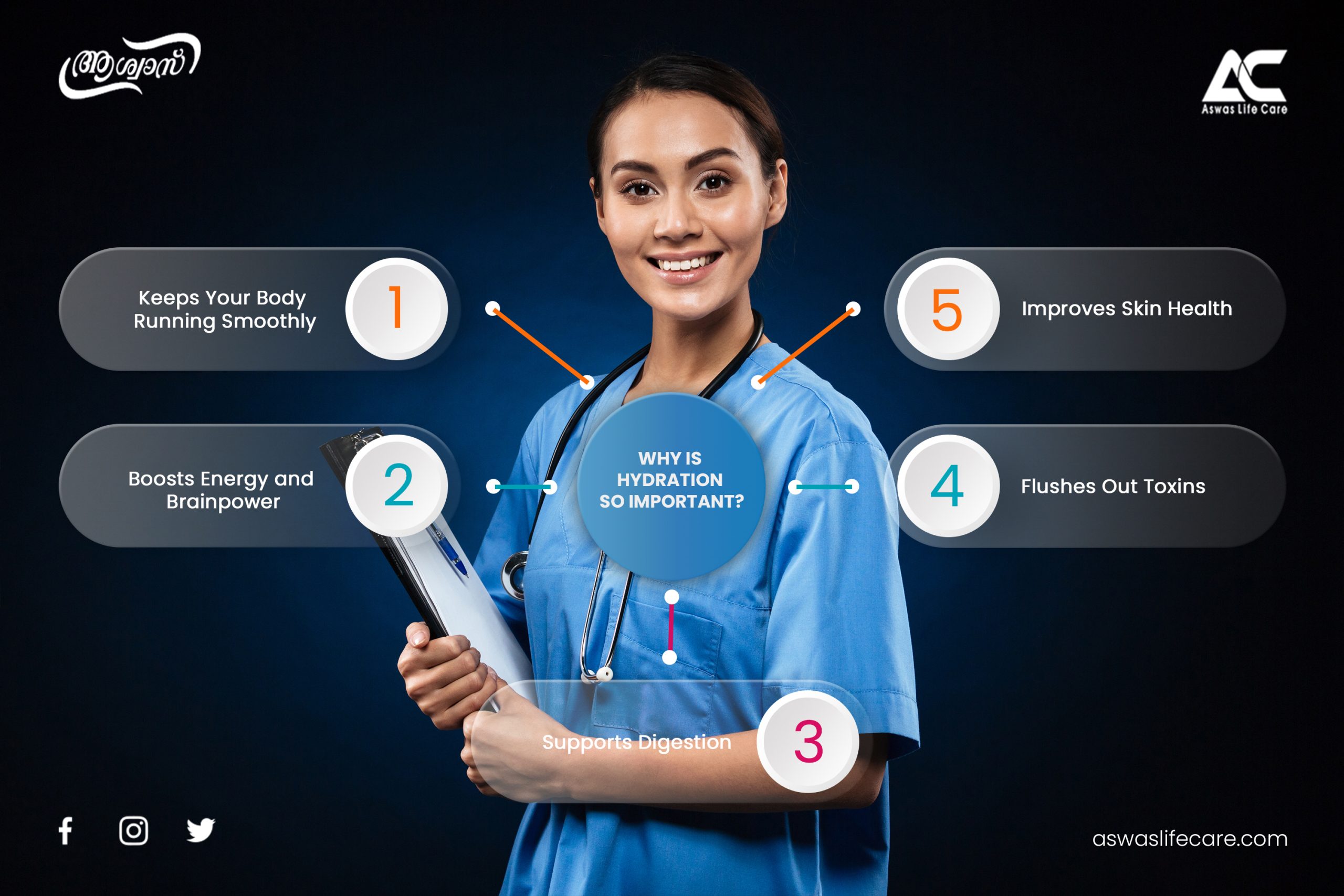
- Keeps Your Body Running Smoothly: Water helps regulate body temperature, lubricate joints, and transport nutrients and oxygen to your cells. Without enough water, your body can’t perform these tasks efficiently.
- Boosts Energy and Brainpower: Even mild dehydration can make you feel tired, sluggish, or unfocused. Staying hydrated helps keep your energy levels up and your mind sharp.
- Supports Digestion: Water is essential for breaking down food and keeping your digestive system running smoothly. It helps prevent constipation and keeps your gut healthy.
- Flushes Out Toxins: Water helps your kidneys filter waste and toxins from your blood, which are then flushed out through urine. Proper hydration keeps this process running smoothly.
- Improves Skin Health: Drinking enough water can help keep your skin hydrated, reducing dryness and promoting a healthy glow.
How Much Water Do You Really Need?
You’ve probably heard the “8×8 rule”—drink eight 8-ounce glasses of water a day (about 2 liters). While this is a good starting point, the truth is that everyone’s water needs are different. Factors like your age, weight, activity level, climate, and overall health can all affect how much water you need.
Here’s a simple way to estimate your daily water intake:
- Use the Body Weight Formula: A common recommendation is to drink between 0.5 to 1 ounce of water per pound of body weight. For example, if you weigh 150 pounds, you’d aim for 75 to 150 ounces of water per day (about 2 to 4.5 liters).
- Adjust for Activity Level: If you’re active or sweat a lot, you’ll need to drink more water to replace what you’ve lost. A good rule of thumb is to add an extra 12 ounces of water for every 30 minutes of exercise.
- Listen to Your Body: Thirst is your body’s way of telling you it needs water. Pay attention to signs of dehydration, such as dry mouth, dark urine, headaches, or feeling tired.
Tips for Staying Hydrated
If you struggle to drink enough water throughout the day, here are some easy tips to help you stay hydrated:
- Carry a Water Bottle: Keep a reusable water bottle with you at all times as a reminder to drink water.
- Set Reminders: Use your phone or an app to set reminders to take sips of water throughout the day.
- Eat Water-Rich Foods: Fruits and vegetables like watermelon, cucumbers, oranges, and strawberries are high in water content and can help you stay hydrated.
- Flavor Your Water: If plain water feels boring, add a slice of lemon, cucumber, or mint for a refreshing twist.
- Drink Before Meals: Make it a habit to drink a glass of water before each meal to boost your hydration.
Signs You’re Not Drinking Enough Water
Dehydration can sneak up on you, so it’s important to recognize the signs. Common symptoms include:
- Dark yellow urine
- Dry mouth or throat
- Fatigue or dizziness
- Headaches
- Dry skin
- Constipation
If you notice any of these signs, it’s time to reach for a glass of water!
Conclusion
Hydration is one of the simplest yet most powerful ways to take care of your body. By drinking enough water, you can boost your energy, improve your digestion, and support your overall health. Remember, there’s no one-size-fits-all answer to how much water you need—listen to your body, adjust based on your lifestyle, and make hydration a daily priority.




Leave a Reply