

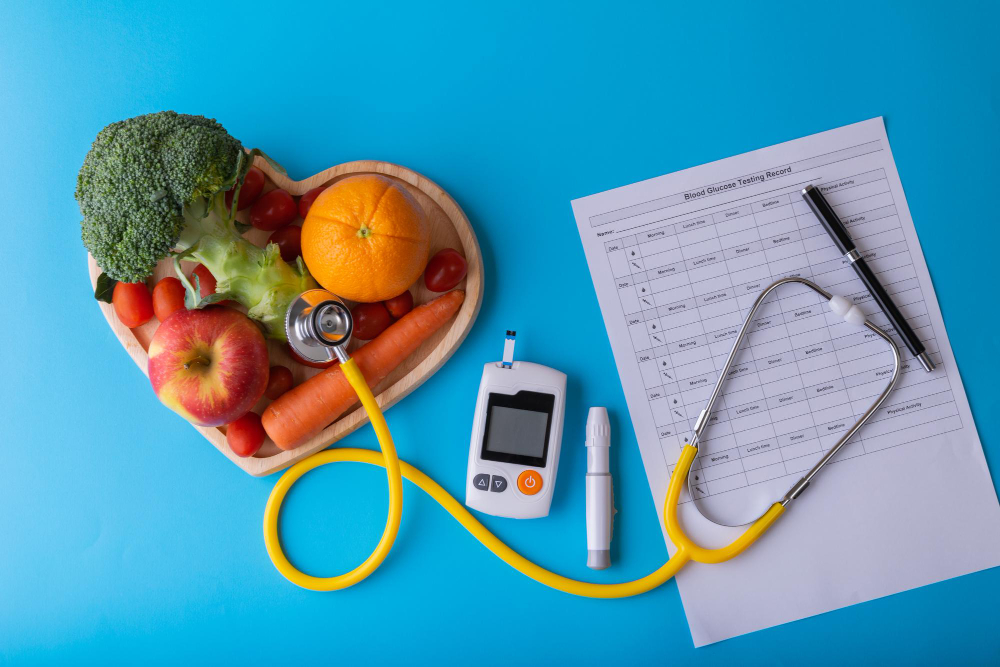
Nutrition, exercise, and a healthy lifestyle are the 3 important pillars of diabetes management in addition to the medications prescribed by a doctor. Among these, meal planning plays an important role. A well-balanced diet not only helps to maintain a healthy body weight but also improves insulin sensitivity.
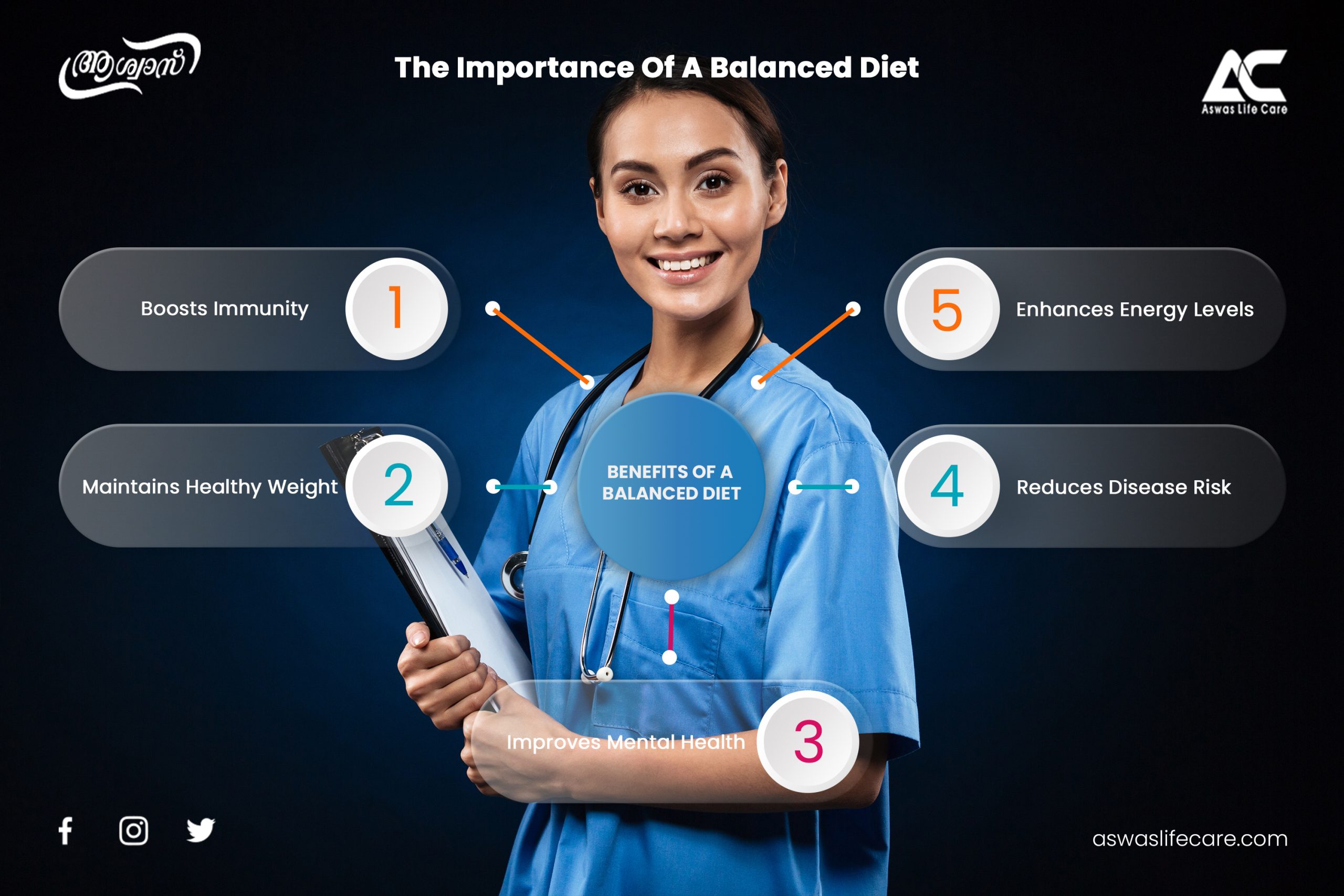
The Importance Of A Balanced Diet
What Is A Balanced Diet?
A diet is considered to be balanced when it has all the essential nutrients (both macros and micros) that the body requires to operate optimally. A balanced diet typically includes fruits and vegetables that contain fibre, vitamins and minerals, whole grains, proteins, and healthy fats.
1. Macronutrients
Proteins, fats, and carbohydrates are grouped under macronutrients, and these are required by the body in larger quantities. Since macronutrients are eaten in larger portions, they tend to significantly impact blood sugar levels.
Carbohydrates
- The primary source of energy for the body is found in whole grains, fruits, legumes, starchy vegetables, and dairy.
- The body breaks down carbs into glucose, which can spike blood sugar levels.
- This glucose is responsible for a spike in the blood sugar hence it is important to consume more complex carbs instead of simple sugars (fruit juices, candies, flavoured sugary beverages).
Proteins
- Proteins are essential for building and repairing muscles and tissues, and making hormones and enzymes.
- It is sourced from legumes, nuts, poultry, meat, eggs, and dairy.
- It gives the body a feeling of fullness and satiety, promoting weight management when consumed mindfully.
Fats
- Fats are needed for the synthesis of hormones, and they provide energy, protect the organs, and support cell growth.
- Healthy fats come from avocados, nuts, fatty fish, and seeds (chia and flax seeds). Fats encourage slow digestion, reducing a spike in blood sugar levels.
- Trans fats should be avoided.
2. Micronutrients
Micronutrients include vitamins and minerals, and while they are needed by the body in smaller quantities, they are essential for the proper functioning of the body. It does not affect blood sugar levels directly but contributes to overall health by reducing inflammation, supporting the immune system, and reducing oxidative stress.
Vitamins
- Vitamins support energy production, immunity, and other essential functions.
- The main sources of vitamins are fruits, vegetables, whole grains, dairy, and protein sources.
Minerals
- Minerals are needed for bone health, muscle function, nerve signalling, and fluid balance.
- These are found in calcium, potassium, magnesium and iron.
- Meat, grains, fruits and vegetables, and dairy contain minerals.
A balanced diet is important as it provides essential nutrients and at the same time helps maintain a healthy weight thereby reducing the risk of obesity. A balanced diet for diabetes aims at managing blood sugar levels, as it encourages the consumption of complex carbs like legumes and whole grains. The body takes some time to digest these carbs, avoiding a spike in blood sugar levels.
Top Diabetes-Friendly Foods to Add to Your Diet
- Vegetables like broccoli, carrots, peppers, tomatoes, and green leafy vegetables that are locally grown and available in your area. Vegetables that contain starch like corn and potatoes should be eaten in moderation.
- Seasonal fruits like oranges, berries, apples, grapes, guava, and bananas.
- Millets and grains like wheat, quinoa, barley, and oats.
- Animal sources of protein like lean meats, fish, eggs, and poultry without skin. Vegan sources like tofu, nuts, and beans.
- Dairy sources that are low-fat or non-fat, like milk or yoghurt. Lactose-free milk for intolerant people.
- Limit sugary drinks and consume plenty of water.
People with diabetes can enjoy sweets and desserts occasionally and in moderation. It is advisable to choose healthier options like dark chocolate which has a high cocoa content. This contains less sugar. Additionally, opt for desserts that are made with fresh or frozen fruits like fruit salads, baked apples, or some berries with yoghurt. These desserts are naturally sweet and contain fibre and nutrients.
The Diabetes Plate Method
The Diabetes Plate Method is a simple way that can be used to balance meals. This method supports diabetes management while focusing on portion control.
According to the Diabetes Plate Method, a plate should have half of non-starchy vegetables, one-quarter of lean proteins, one-quarter of whole grains, and some fruits or dairy.
- Non-starchy vegetables include tomatoes, cucumber, green beans, broccoli, carrots, cauliflower, capsicum, and green leafy vegetables. This keeps you feeling full for longer, and are packed with nutrients
- Lean proteins like hummus, beans, lentils, meat, poultry, and eggs should contain one-quarter of the plate.
- Fill the remaining one-quarter with a combination of whole grains like quinoa, oats, wheat, brown rice or barley, curd, yoghurt and fresh seasonal fruits should also be included in the Diabetes Plate Method, as they are packed with vitamins, minerals, and fibre. It also helps to satisfy sweet cravings!
Understanding Glycemic Index
Glycemic Index
The glycemic index measures the spike in blood sugar levels after consuming a particular food. It is measured in comparison to a reference food. Foods are classified according to their glycemic index—high, moderate, and low.
1. High Glycemic Index Foods
- Anything with a GI over 70 is high-GI food. High-GI foods are easily digested and readily available in the bloodstream, and hence, should be consumed in low quantities.
- Items like cereals, sweets, pastries, soft drinks, and cakes are digested quickly. These food items should be eaten in limited quantities. Starchy vegetables like potatoes, yams, corn, and peas should also be eaten in fewer quantities.
2. Moderate Glycemic Index Foods
- Food items with 56-69 GI are moderate, and include whole grams and pulses. The carbs in these foods are released slowly into the bloodstream, as these foods are rich in fibre.
- It is recommended to include these food items, as it helps regulate blood sugar levels.
3. Low Glycemic Index Foods
- Foods with a GI of 55 or less are considered low GI, meaning they cause a slower, steadier rise in blood sugar compared to high-GI foods.
- Whole grains like barley, oats, quinoa, leafy green vegetables, lentils, low-fat dairy and nuts & seeds. Foods with low GI help maintain steady blood sugar levels and improve insulin sensitivity.
When And How Much To Eat?
Meal timing is an important part of diabetes, as this can affect the blood sugar levels. However, it is essential to note that meal timings vary from one person to the other, and are also affected by insulin levels and medication.
Aim to eat meals at the same time every day, as this helps regulate blood sugar levels and the insulin response to the food. The three balanced meals – breakfast, lunch, and dinner, should be evenly spaced throughout the day.
Portion control is a key aspect of managing diabetes, and by doing so, blood sugar levels are regulated and a healthy body weight is maintained.
As different food items affect individuals differently, there is no one-size-fits-all strategy for diabetes. It is highly recommended to consult a doctor or a nutritionist for a personalised dietary plan.
Conclusion
Managing diabetes doesn’t require a one-size-fits-all diet. It’s about creating a plan that fits your health needs, food preferences, and lifestyle. Keep track of your blood sugar levels and body weight to understand how your meals affect your health. Eat well-balanced, nutritious meals that can help regulate blood sugar and support a healthy weight. However, it’s important to remember that diet alone isn’t enough successful diabetes management relies on a combination of medication, lifestyle changes, and regular exercise.




Leave a Reply